
හිරගෙදර දී බන්ධාධනාගාර නිලධාරීන් අපරාධකරුවන් ලවා සතුරන් ඝාතනය කරන්නේ කෙසේ ද?

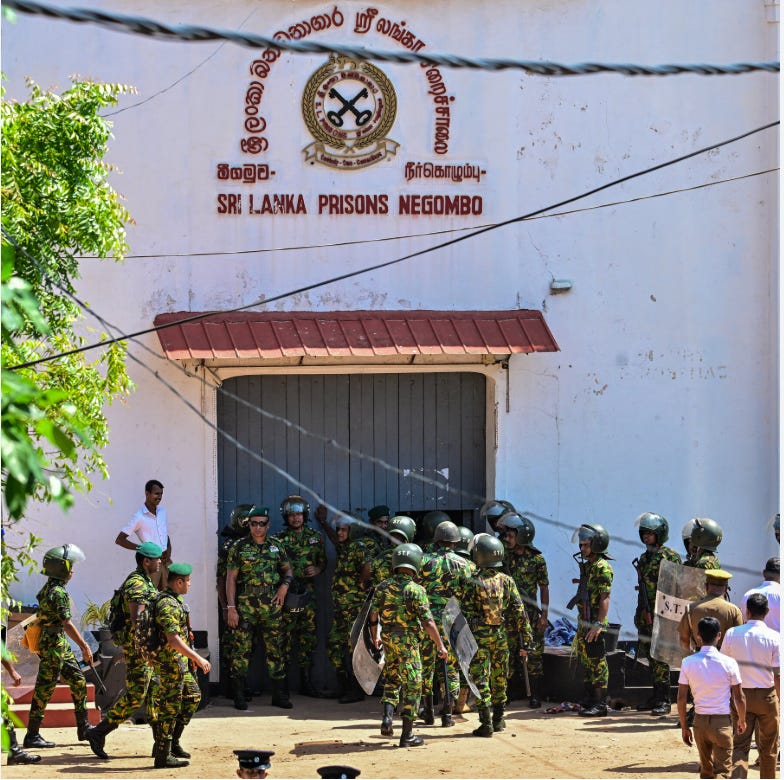
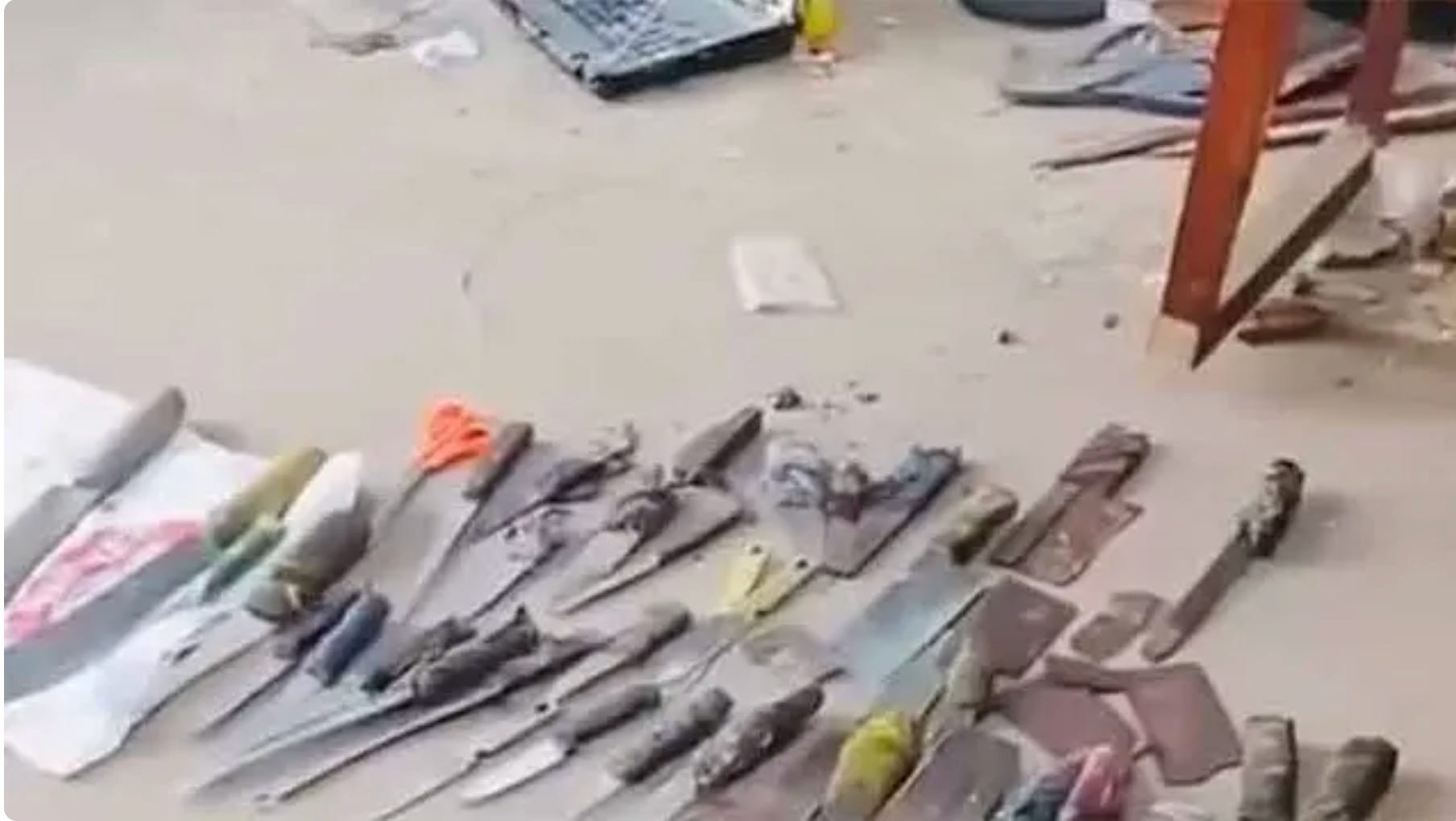
2026 මීගමුව හා 1983 වැලිකඩ හිරගෙවල් තුල දී සිදු වූ සාහසික මිනිස් ඝාතනවලට එලියක් ලබා දෙන්නට මේ බන්ධනාගාර නිලධාරියාගේ සාක්කිය ප්රයෝජනවත් වෙතැයි මට සිතේ.
1983 කළු ජූලියේ 25 වෙනිදා වැලිකඩ බන්ධනාගාර නිලධාරීන් දෙමළ දේශපාලන සිරකරුවන් 35 දෙනෙකු අපරාධකරුවන් ලවා ඝාතන කළේ කෙසේ ද? මේ වෙනුවෙන් මා රැස් කළ සියළුම සාක්කි [බන්ධනාගාර නිලධාරීන්ගේ] වීඩීයෝ සාකච්චා හැටියට ආරක්ෂා කෙරේ.
අපි ආනන්ද හමුවීමට ගියේ 1983 ජූලි මාසෛඒ වැලිකඩ බන්ධනාගාරයේ දී දෙමළ දේශපාලන සිරකරුවන් මරා දමා වසර 42 ගෙවෙද්දීය. අවුරුදු 18ක් පිරෙද්දී බන්ධනාගාර සේවයට එකතු වූ සායක්කාර වසර 35 සේවයෙන් පසු දැන් විශ්රාමික ය. 72 හැවිරිදිය.
දින වකවානුවල ගැන ඇති මතකය ඉඳ හිට වෙනස් වූවත් ඔහුගේ සිදුවීම් පිළිබඳ මතකය ඉතා පැහැදිලි එකකි. මම ඔහු සමඟ වීඩියෝ සාකච්චාවක් කරන්නට යන බවත් එය පොතක් හා වාර්තා චිත්රපටයක් බවට පත්වෙන බවත් කල් තියාම කීවෙමි. ඔහුට ඒ කිසිවක් ගැන ප්රශ්න නොතිබුණි. ආනන්දට අවශ්ය වූයේ ඔහු දුටු දේ අවංකවම අනාගතයට වාර්තා කර තැබීමටය. එසේම මේ මිනිස් ඝාතන සිදු වෙද්දී බන්ධනාගාර නිලධාරියෙකු හැටියට අක්රියව සිටීම ගැන ඔහු කම්පා විය. ඒ කාලයේ සෑම තැනකම පැතිරුණු “ජාති ආලය” ඒ අක්රීයත්වයට හේතු වන්නට ඇතැයි දැන් ඔහු විශ්වාස කරන්නේය. පළමු දවසේ ඝාතනය වූ සිරකරුවන්ගේ මළ සිරුරුවල ගත් පිංතුර ලෝකය පුරා පැතිරීම නිසා රටේ කීර්තියට විශාල හානියක් සිදු වූ බව ඔහු විශ්වාස කරන්නේය. එසේම ඊළාම් සටන ඒ සා විශාල යුද්ධයක් බවට පත් වීමට වැලිකඩ හිරගෙදර ඝාතන ඉවල් වූ බවත් ඔහු දැන් කල්පනා කරන්නේය.
සායක්කාර, එකල වැලිකඩ හිරගෙදර සිටි සියළුම දෙමළ දේශපාලන සිරකරුවන් ‘කොටි සැකකරුවන්’ ලෙස හැදින්වයි. එහෙත් මේ සිරකරුවෝ ඊළාම් අරගලයේ සිටි විවිධ පක්ෂ හා සටන්කාමී කණ්ඩායම්වලට අයත් වූවෝ වෙති. ඔහු එසේ කියද්දී මම ඔහුට බාදා නොකළෙමි.
‘දෙමළ සිරකරුවන් බාරව හිටියේ ප්රධාන ජේලර් රොජර් ජයසේකර. එයාගේ ගම කැලණියේ ගෝනවල. එයා ඒ පැත්තේ බොහොම ප්රභූ පවුලක කෙනෙක්. මම ගෙදරත් ගිහින් තියෙනව. එයාගේ තාත්තට ‘රාළහාමි’ කියල බොහොම ගෞරවයෙන් ගම්මු කතා කළේ. එගොල්ලො පරම්පරා යූ.ඒන්. පී. [එජාප - එක්සත් ජාතික පක්ෂය] කාරයෝ. රොජර් ජයසේකරට ගෝනවල සුනිල් [ප්රකට අපරාධකරු], රනිල් [ වික්රමසිංහ - හිටපු ජනාධිපති] වීරතුංග [ මේජර් ජෙනරාල් තිස්ස - හිටපු හමුදාපති] එක්ක ලඟ සම්බන්ධකම් තිබුණ.
මම ඒ කාලේ හිටියේ වැලිකඩ බන්ධනාගාර ක්වාටස් [නිල නිවාස] වල. ජූලි 25 වෙනිද උදේ මම වෙනද වගේම වැඩට ආවා. ඒ වෙන කොටත් එළියේ කලබල තිබුණ. දවාලේ රොජර් අපිට කිව්ව යුනිෆෝර්ම් [නිල ඇදුම්] ගලවල සරොන් ඇඳ ගෙන වරෙල්ල වැඩකට යන්න තියෙනව කියල. අපිට දර අංශයෙන් අලවංගු ගන්න කිව්ව. ඊට පස්සේ අපි එයා කියපු විදිහට ලෑස්තිවෙල ආවා. එයා බන්ධනාගාර රියක් ගෙනැල්ල නගින්න කිව්ව. අපි නැග්ග. වාහනය කෙලින්ම ගිහිල්ල නැවැත්තුවේ පුංචි බොරැල්ලේ හන්දියේම තිබුණු ‘රෝයල් වයින් ස්ටෝර්ස්’ එක ඉස්සරහ. ඒක අයිති දෙමළ අයෙක්ට. අපි වයින් ස්ටෝර්ස් එකේ දොරවල් කඩල අපිට ඇති තරමට බෝතල් ගත්ත. ඒවත් අරගෙන එද්දී හිරගෙදර ගේට්ටුව ලඟ දී වනාතේ කොල්ලෝ ලොකු කසිප්පු බූලි දෙකකුත් දුන්න.
සමහර විට රෝජර් ජයසේකර කලින් ඒව ගේන්න කියල තියෙන්න ඇති. අපි මේවත් අර ගෙන රොජර්ගේ ප්රධාන ජේලර් නිල කාඹරය ගියා. අපි එතනට යන කොටත් හිරකාරයෝ 40 විතර රෝජර්ගේ කාඹරය ලඟ හිටිය. අපි කසිප්පු බූලි දෙක හිරකාරයන්ට දුන්න. වයින් ස්ටෝර්ස් එක කඩල ගෙනාපු අරක්කු අපි බිව්ව. ඊට පස්සෙ අපි ලොන්ඩරි පාර්ටිය තියෙන පත්තට ගියා. එතන දී හිරකාරයෝ එතන තිබුණු ‘කම්බිලි’ [ හිරගෙදර රෙදි] වලින් අපි ගැට ගැහුව. අපි අතේ තිබුණු හිර කූඩුවල යතුරු ගත්ත.
ඒව ඕක්කෝම රොජර් ජයසේකර කල්වේලා ඇතිව හිරකාරයන්ට දීපු උපදෙස් අනුවයි කෙරුණේ. අපේ අත් කම්බිලිවලින් ගැට ගැහුව. ඇසුත් බැන්දා. හිරකාරයෝ “වැඩේට” ගියාට පස්සේ පැය භාගයකින් විතර අපි ඒ ගැට ගහපුව අපිම ලිහා ගත්ත. “වැඩේට” යන්න ඔවුන් කුස්සි පාර්ටියෙන් [කෑම උයන අංශය] මන්න පිහි ගත්ත, දර අංශයෙන් යකඩ ඉනි, පොරෝ ගත්ත. හිරකාරයෝ ඔක්කෝම එදා 1000 - 1200 මේ වැඩේට මෙහෙයුවේ ‘තංගල්ලේ ගුණපාල’ ගුණපාල මිනීමරුමකට මරණීය දන්ඬනය නියම වෙල පස්සේ ඒක ජීවිතාන්තය දක්වා වෙනස් වෙච්චි කෙනෙක්.
ඇත්තටම “වැඩේ” පටන් ගත්තේ අර කසිප්පු බීපු 40 විතර කණ්ඩායමෙන්. ඒත් “වැඩේ” යද්දී වැඩ අංශයේ හිරකාරයො වැඩ ඉවර කරල එන වෙලාව. ඔවුන් වෙන්නේ මොකක් ද දන්නේ නැතුවයි මුල් කණ්ඩායමට එකතු වුණේ. පස්සේ ඔක්කොම එකතුවෙල “වැඩේට” බැස්ස.
‘කුට්ටමනී’ පවා මරන්න එපා කියල වැන්ද. කොටි හිරකාරයෝ අතරින් එක්කෙනයි මරන්න එපා කියල වදින්නේ නැතුව මරණ තෙක් ගහ ගත්තේ. ඒ ජේගන්. ජේගන් පොරෝවලින් ගහද්දී ඒව එහාට මෙහාට වීසි වෙන්න ගැහුව. එක පාරට හතර දෙනෙක් එක්ක ගහ ගත්ත. අන්තිමට එක හිරකාරයෙක් උඩක ඉඳල කර උඩට පැන්නම ජේගන් වැටුන. ඊට පස්සේ යකඩ ඉන්නකින් ජේගන්ගේ පපුව මැද්දට ඇන්න. එක පාරම ලේ පාරක් උඩට විද්ද.
වයස අවුරුදු 16 විතර කොල්ලෙක් හිටිය දෙමළ හිරකාරයෝ අතරේ. හැමෝම කිව්ව එයා මරන්න එපා කියල. එයා තමයි කෙන්ට් ෆාම්වල හිටපු සිංහරාසා පියතුමාගේ පණිවිඩ හා කොටින්ගේ පණිවිඩ දෙපැත්තට ගෙනිහින් තිබුණේ. හැමෝම මරන්න එපා කීවට පස්සේ සාක්කිකාරයෙක් ඉතුරු කරන්න හොඳ නෑ කියල එයත් මරල දැම්ම.
මරණ, මරණ, දෙමළ හිරකාරයගේ බොඩිය [සිරුර] හිරගෙදර ඇතුල් වෙන කොටම තියෙන පොඩි පීට්ටනිය වගේ තැනට ගෙනැත් දැම්ම. සමහර බොඩිවල ඇස් ගලවල තිබුණේ. ජේගන් හා කුට්ටමනී වගේ අයගේ පුරුෂ ලිංග කපල කටේ ඔබල තිබුණේ.
මරණ පරීක්ෂනය තියද්දී ජේ. ඇම්.ඕ. [අධිකරණ වෛද්ය නිලධාරී] සරවනබවන් පිංතුර ගන්න ඕන කීව්ව. රොජර් ජයසේකර, අවසර දෙන්න බෑ කිව්ව. ඊට පස්සේ වැඩබලන බන්ධනාගාර අධිකාරි ජෑන්ස් [සී.ටී.] ගෙන්නුව. එයා අවසර දුන්න. ඊට පස්සේ මළමිනීවල පිංතුර ගත්ත. ඒ මිනීවල හැටි පිංතූරවලින් පේන්න ඇති. ඒව තමයි ලෝකේ පුරාම ගියේ. එවැයින් තමයි අපේ නම නරක් වුණේ. මහ යුද්ධයක් ඇති වුණේ.
වනාතේ කොල්ලො හිරගෙදර ඉස්සරට ඇවිත් මළමිනී ගෙනියන්න දෙන්න බෑ කීව. ඒව හිරගෙදර ඉස්සරහම පුච්චන්න කීව. ඒ වුනාට ඒ වැඩේ කෙරුණේ නෑ. ඔක්කොම මළමිනී ට්රක් එකකට දාගෙන ගිහින් කොලොන්නාවේ කනත්තේ වැලලුව.
රෝජර් ජයසේකර මේ ඔකෝම කළේ එයාගේ කැමත්තට නෙවෙයි ඉහලින් ආපු ඕඩර්ස් [නියෝග] වලට. එයා ලඟින් දැනගෙන හිටිය වීරතුංග [ මේජර් ජෙනරාල් තිස්ස- එවකට හමුදාපති.] ගම කැලණිය නිසා ජේ.ආර්. දැන ගෙන ඉන්න ඇති [ ජයවර්ධන - එවකට ජනාධිපති]
[කළු ජූලියේ දින 07ක් කෘතියෙනි.]
නන්දන වීරරත්න
12/07/26
The historical record shows that Vidyodaya University (now the University of Sri Jayewardenepura) and Vidyalankara University (now the University of Kelaniya) were indeed taken over by the military and converted into massive, temporary detention and rehabilitation camps following the April 1971 JVP insurrection.
Official records from August 1971 show that these were two of the largest holding centers in the country, housing thousands of suspected JVP insurgents:
Vidyodaya Camp: Held 2,069 detainees
Vidyalankara Camp: Held 2,255 detainees
However, regarding the specific claims of a mass revolt within these camps, volunteer army intervention, and subsequent systematic massacres or extrajudicial executions of inmates inside these two camps-turned-detention-centers, the historical facts based on records tell a more nuanced story. Nandana, I am sure you have more resources to probe into these than many investigative journalists in Sri Lanka. The absence of historical facts based on records does not mean that it did not happen. It indeed happened, and those who witnessed it are either dying of old age or losing their memory.
1. Did Mass Shootings / Massacre Take Place Inside the Vidyodaya and Vidyalankara Camps? Yes, of course, several times. There are no verified historical or legal records of a mass shooting to subdue inmate revolt, or execution of inmates inside or outside (taken out and never returned)the Vidyodaya or Vidyalankara detention camps.
While the conditions in these camps were highly restrictive and heavily guarded by the military, these specific locations were primarily used as mass screening and "rehabilitation" centers. The Sirimavo Bandaranaike government utilized a strategy of long-term interrogation, categorization (separating hardline leaders from minor sympathizers or totally innocent people). So-called rehabilitation, led by local comedian Chandra Anagiratna to defuse the JVP's popularity, ended up as nothing but a wholesale comedy. It is also said that Gaddafi spent time inside on identification missions.
2. Where Did the "Volunteer Army Shooting Detainees" Narrative Originate? While the massacre did occur at Vidyodaya or Vidyalankara, the experience remains a legend among mainly two groups of people who witnessed it.
1. The Prison Guards performed the logistical functions, while the heavily armed volunteer army personnel guarded the open-air camps. The school teachers, turned cadet officers, turned volunteer Army officers, were known figures among CCC, the Ceylon Cadet Corps junior and senior cadet inmates.
2. The inmates who found so and so were missing after the operations were over, or directly saw fellow inmates falling. Blood was a common sight after the operation, with missing victims.
The Emergency Regulations and "Shoot-on-Sight" Orders (1971):
During the height of the 1971 insurrection, the government declared a state of emergency. The military and police (including volunteer reserve units) were given sweeping powers, which included the disposal of bodies without post-mortems or judicial inquiries. This led to widespread, well-documented extrajudicial killings in the field (outside of the formal camps) as the armed forces crushed the rebellion in rural areas. Also, the question remained unanswered as to what happened to the failed camp/jail breaks, and escapees who got caught in action or while on the run through dug-up tunnels.
Prison Riots and Jailbreaks (e.g., Anuradhapura) and Tunnel Digging:
There were several high-profile prison riots and armed jailbreaks involving JVP inmates. For example, in June 1972, Anuradhapura prison was raided to rescue detained members. Tunnels became very popular in seeking freedom, in open-air camps, especially when the detention camps became less crowded.
Sri Lanka's history is very rich in recorded and undocumented extensive extrajudicial killings associated with detention camps and prisons, the 1971 JVP insurrection-connected active combat operations, field surrenders, and localized arrests in rural districts, along with these two university-based holding camps.
Very informative. Thanks